

ENGLISH VERSION BELOW
Ecco com’è finita la bolla di impunità in cui avevamo lasciato seduto Duterte alla fine della Parte I.
L’11 marzo 2025 le autorità filippine lo hanno arrestato in esecuzione di un mandato della Corte penale internazionale e il giorno successivo era all’Aia, primo ex capo di Stato asiatico consegnato alla Corte con l’accusa di crimini contro l’umanità. Mentre l’arresto è stato notevole, la tempistica necessita di più attenzione. Nelle settimane precedenti non era cambiato nulla nel fascicolo probatorio. Le prove erano agli atti da anni. I morti erano stati contati e i nomi pubblicati; il caso era costruito. Era cambiata invece una cosa decisiva: l’alleanza tra le due dinastie che governano il Paese, i Duterte e i Marcos, si era spezzata, e un mandato che fino a quel momento era stato un imbarazzo per chi avrebbe dovuto eseguirlo è diventato all’improvviso utile a chi lo teneva in mano. Le accuse sono state confermate nell’aprile 2026, il processo si aprirà il 30 novembre.
Poche settimane dopo quell’arresto, un altro mandato della stessa Corte ha ricevuto la risposta politica opposta. Il 3 aprile 2025 Benjamin Netanyahu, colpito dal mandato d’arresto emesso il novembre precedente per presunti crimini di guerra e crimini contro l’umanità a Gaza, è atterrato a Budapest ed è stato ricevuto da Viktor Orbán con tutti gli onori di Stato. Orbán ha colto l’occasione per annunciare l’uscita dell’Ungheria dalla Corte, che ha definito una decisione politica. L’Aia ha aperto un procedimento per mancata cooperazione e, nel luglio successivo, ha deferito Budapest all’Assemblea degli Stati Parte.
L’esitazione europea, però, era cominciata prima. Già nel novembre 2024, a mandato appena emesso, la Francia dichiarava che Netanyahu era coperto dalle immunità spettanti ai capi di Stato di un Paese che non ha mai firmato lo Statuto di Roma, ribaltando la posizione tenuta un anno prima sul mandato contro Putin. L’Italia è stata più vaga e ha parlato di dubbi interpretativi e di valutazioni da fare insieme agli alleati, pochi giorni dopo che il ministro della Difesa, Guido Crosetto, aveva detto che, se Netanyahu fosse venuto in Italia, l’Italia avrebbe dovuto arrestarlo.
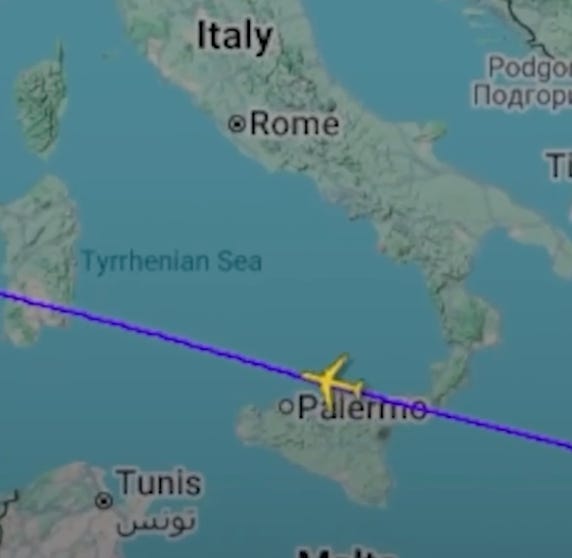
Alla fine l’uscita dell’Ungheria dalla Corte non c’è stata. Orbán ha perso il potere nelle elezioni dell’aprile 2026, e uno dei primi atti del nuovo governo guidato da Péter Magyar è stato rovesciare la decisione del predecessore. Il 27 maggio, sei giorni prima che il recesso diventasse effettivo, il parlamento lo ha abrogato e il governo ha revocato la notifica depositata presso le Nazioni Unite. Magyar ha dichiarato che l’Ungheria eseguirebbe il mandato se Netanyahu rimettesse piede a Budapest, anche se nel frattempo lo ha invitato in città per il settantesimo anniversario della rivoluzione del 1956, in ottobre.
Verrebbe da leggere la vicenda ungherese come la prova dell’irrilevanza del diritto internazionale. Eppure la legge non è cambiata affatto in quei quattordici mesi. Il testo dello Statuto di Roma era identico sotto Orbán e sotto Magyar. A cambiare è stata la mano che lo teneva alzato. È una distinzione che conviene ricordare, perché l’architettura giuridica è tutto sommato stabile mentre la volontà politica di applicarla non lo è affatto.
I mandati d’arresto contro Netanyahu e il suo ex ministro della Difesa, insieme alle misure cautelari vincolanti disposte dalla Corte internazionale di giustizia nel gennaio 2024 nel procedimento avviato dal Sudafrica, in cui i giudici hanno ritenuto plausibile il diritto dei palestinesi di Gaza a essere protetti da atti di genocidio e hanno ordinato a Israele di prevenirli, sono decisioni prodotte dalle istituzioni costruite esattamente per questo lavoro. Finora non hanno generato quasi nulla in termini di conseguenze. In Cisgiordania una parte dello stesso establishment israeliano ha cominciato a nominare le proprie azioni con le parole che meritano.
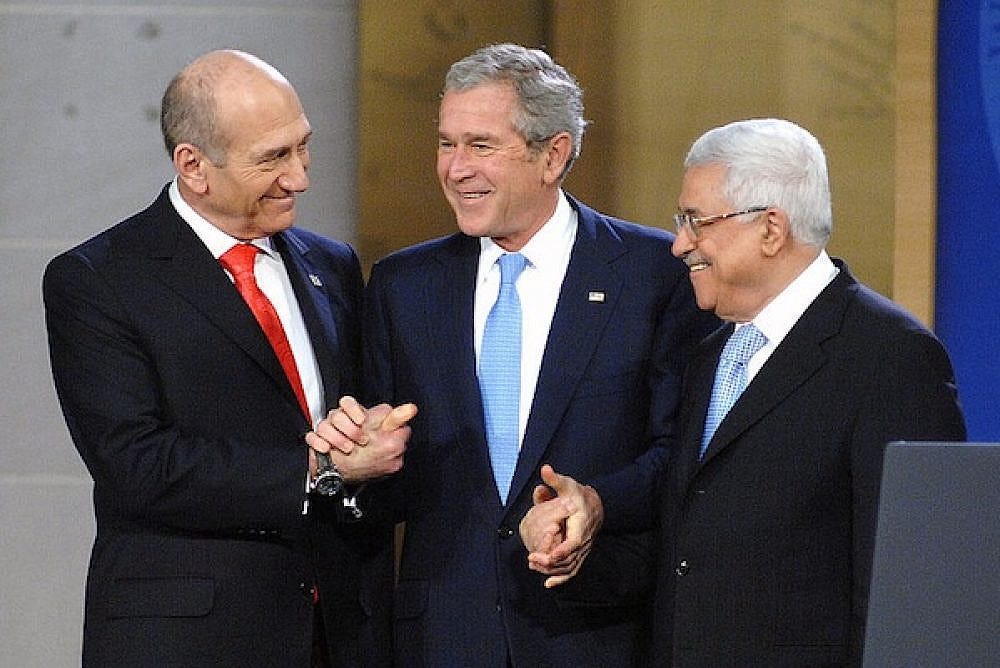
Nel marzo 2026 una lettera al capo di stato maggiore dell’esercito, firmata dall’ex primo ministro Ehud Olmert insieme a un ex ministro della Difesa, cinque ex capi del Mossad e dello Shin Bet e quattro ex capi della polizia, ha descritto la violenza dei coloni nel linguaggio della criminalità organizzata.
“Non stiamo più parlando di una manciata di teppisti che infrangono la legge. Si tratta di un’attività organizzata, che talvolta coinvolge anche persone in uniforme, le quali sparano contro innocenti e incendiano i beni e le abitazioni dei civili.”
L’inchiesta del Guardian che accompagnava la lettera metteva in fila i numeri: almeno 1.100 palestinesi uccisi da coloni e soldati dal 2020 e nessuna incriminazione. Ironicamente, la lettera chiedeva l’intervento della Corte penale internazionale, la stessa che quelle istituzioni avevano passato anni a delegittimare, e che Olmert da primo ministro aveva tenuto a distanza mentre difendeva l’uccisione mirata come pratica legittima di uno Stato.
Questo schema regge anche al di là della Palestina. In Myanmar la violenza della giunta contro i civili è documentata da anni dagli organismi delle Nazioni Unite, e ha prodotto milioni di sfollati. Nella Repubblica Democratica del Congo gli stessi organismi registrano con regolarità l’uccisione e l’intimidazione di giornalisti e difensori dei diritti umani. In Cina, l’Ufficio dell’Alto commissario per i diritti umani (OHCHR) ha concluso che la detenzione arbitraria, la tortura e gli abusi contro la popolazione uigura possono costituire crimini contro l’umanità. In nessuno di questi casi manca la prova. Manca l’ultimo passaggio, quello che trasforma la conoscenza in conseguenza.
Il veto come omertà
Quell’ultimo passaggio è tutto il problema, e in Italia lo si è capito molto prima che diventasse evidente su scala internazionale. Non è che gli italiani soffrano di un impedimento congenito ad agire davanti al crimine. Piuttosto, l’incapacità o la mancata volontà di reagire a un reato è un comportamento logico e tracciabile. È la paura di essere zittiti, colpiti, uccisi per aver esposto un crimine, la paura che un potere arbitrario, legale o extralegale che sia, usi per eliminare il dissenso. L’omertà non ha mai significato silenzio in senso letterale. I delitti erano generalmente noti, spesso a tutto il paese.
Quello che l’omertà faceva era recidere il legame tra il sapere e l’agire, così che la conoscenza restasse lì, completa, inutile, senza conseguenze.
Il veto nel Consiglio di sicurezza delle Nazioni Unite fa la stessa cosa su un’altra scala. Lascia intatta la conoscenza del crimine e paralizza l’unico organo formalmente incaricato di rispondere. La Russia lo usa sull’Ucraina, gli Stati Uniti su Gaza, la Cina lo ha usato sul Myanmar. In molti riconoscono che l’ONU sia un’istituzione difettosa. Si può però arrivare a sostenere addirittura l’opposto, e cioè che non sia affatto difettosa: la macchina gira esattamente come era stata progettata nel 1945 e serve a proteggere gli interessi delle cinque potenze che si sono scritte da sole un’esenzione permanente.
La cupola che non ha bisogno di uno Stato
Distribuire giustizia quando conviene è il tratto distintivo del sistema internazionale in cui abitiamo. Almeno, però, il rifiuto di eseguire un ordine di una corte o l’uso politico del veto avvengono all'interno di una cornice che esiste. Seppure ingiusta, tutti possiamo leggere quella ingiustizia. Esiste una versione più brutale dell’impunità, che non aggira le istituzioni esistenti ma le scarta e, al loro posto, ne costruisce di proprie.
Nell’aprile 2026 è stata lanciata una piattaforma chiamata Objection.ai, finanziata dal cofondatore di PayPal e Palantir, Peter Thiel, e da Balaji Srinivasan, autore di un libro secondo cui reti di persone affini dovrebbero, prima o poi, rimpiazzare lo Stato nazionale. A fondarla è Aron D’Souza, l’avvocato che ha architettato la causa finanziata da Thiel con cui nel 2016 fu portata al fallimento la testata Gawker.

Per una cifra che parte da duemila dollari, la piattaforma converte le controversie di un cliente con il giornalismo sgradito in verdetti privati, propone ai giornalisti contratti di arbitrato da firmare prima di un’intervista e assegna loro punteggi reputazionali, il tutto senza mandato pubblico né giudiziario.
Tra i primi bersagli ci sono il New York Times, il Wall Street Journal e una cronista di un tabloid britannico. Chi passa attraverso il sistema ne esce con quello che l’azienda chiama “Honor Index”, un indice d’onore. La parola conta. Nei sistemi costruiti sull’intimidazione l’onore è una misura pubblica del rango, dice chi viene creduto, chi viene temuto, chi può imporre la propria versione dei fatti.
I critici l’hanno definita “un racket di protezione ad alta tecnologia” per i ricchi e i potenti. Il pizzo con una user interface. La piattaforma potrà pur essere innovativa, il principio che la regge no. O paghi il risarcimento in arbitrato, o paghi il costo del rifiuto. Solo che qui il costo non è il danno fisico, è la reputazione, un verdetto privato, un indice appiccicato al nome di chi scrive. Nessuna corte ha autorizzato questo tribunale e nessuna norma conferisce forza alle sue decisioni. La forza gliela dà lo squilibrio. Il cronista che rifiuta l’arbitrato può comunque essere contattato, giudicato in sua assenza e misurato rispetto a un verdetto emesso da un modello i cui proprietari non sono osservatori neutrali. La transazione reale è la sottomissione a una corte senza mandato, costruita perché il rifiuto somigli a una confessione di colpa. Nel maggio 2026, dopo un’intervista al fondatore, il sito è andato offline “per una ricostruzione”, come ha raccontato The Intercept. Che Objection.ai sopravviva conta meno del modello che rappresenta, cioè una rete abbastanza potente da costruirsi la propria aula di tribunale e giudicare chi vuole nel modo in cui vuole.
Vuoi essere giudicato? E da chi?
Il diritto internazionale esiste, è scritto e funziona, anche se selettivamente, quando conviene a chi comanda nella sfera pubblica. E nello spazio che quella applicazione selettiva lascia aperto, poteri privati stanno assemblando in silenzio strumenti propri senza mai sottomettersi a un mandato né a un appello pubblici.
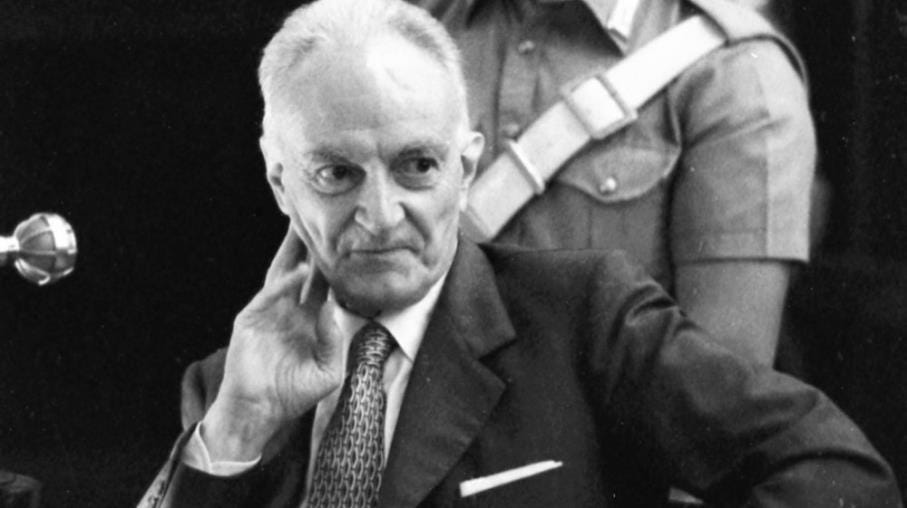
C’è un precedente italiano per queste dinamiche, e per fortuna anche soluzioni. Quando la mafia cominciò a esercitare la “giustizia” secondo i propri termini, sfruttando i vuoti della legge per farlo, Giovanni Falcone capì che aveva superato in velocità gli strumenti pensati per combatterla. La legge andava dunque rimodellata con metodo, non solo per restringere lo spazio dell’impunità, ma anche per impedire che un sistema giudiziario parallelo mettesse radici.
Segui il denaro, mappa le reti, capisci la struttura economica, coopera oltre i confini, arriva ai patrimoni e non soltanto ai picciotti.
Mentre Falcone ha pagato quelle intuizioni con la vita, quello che resta è una mappa per affrontare le strutture di potere, globali e private, che oggi corrono davanti a un diritto lento e applicato a intermittenza, come Cosa Nostra correva davanti a un codice penale scritto per un tipo di crimine ormai superato.
Significa legiferare laddove si aprono i vuoti e sull’opacità che consente all’influenza di consolidarsi in potere e di sottrarsi alla giustizia. Significa anche costruire un meccanismo che applichi la legge ai pochi alle stesse condizioni dei tanti. La domanda è da chi, con quale mandato e con quale forza dietro il verdetto.
La Parte III si apre con una confessione che racchiude interamente il sistema dietro sia alla risoluzione posta al veto che al tribunale privato. Nella terza parte, quel sistema la chiameremo col suo nome, indicando dove concentrare la lotta e affrontando una domanda che non possiamo più rimandare: quale potrebbe essere il ruolo dell’Italia in tutto ciò?
🔴 lalinearossa.it è un luogo in cui l’analisi politica non finisca in pose, passerelle o semplificazioni imposte dalla frenesia della comunicazione contemporanea. Un taccuino di viaggio per mettere ordine, fare attrito quando serve e, soprattutto, sperimentare convergenze democratiche praticabili.
Come la mafia - Part two of three
When democratic justice fails, oligarchs build their own courts
Here is what eventually happened to the impunity bubble we left Duterte sitting inside of at the end of Part I. In March 2025, he was arrested by Philippine authorities on an International Criminal Court warrant and flown to The Hague, the first former Asian head of state surrendered to the Court on charges of crimes against humanity. While the arrest was notable, the timing deserves more attention here. Nothing in the evidence file had changed in the weeks before Duterte boarded the plane en route to the Hague. In fact, the evidence had been on the record for years. The killings had been counted, the names published, the case built. Yet, something crucial did happen: the alliance between the country’s two ruling dynasties, the Dutertes and the Marcoses, had broken apart, and a warrant that had once been an embarrassment to the people expected to enforce it suddenly became useful to them. The charges were confirmed in April 2026, with the trial set to start on November 30th.
A few weeks later, the issuance of another arrest warrant by the same court was met with the opposite political response. On 3 April 2025, Benjamin Netanyahu, subject to an ICC warrant issued the previous November over alleged war crimes and crimes against humanity in Gaza, landed in Budapest and was received by Viktor Orbán with full state honours. Orbán used the occasion to announce that Hungary would leave the Court, which he called political. The Hague opened non-compliance proceedings, and that July, referred Budapest to the Assembly of States Parties.
European hesitation, though, had begun earlier. Already in November 2024, days after the warrants were issued, France stated that Netanyahu was immune to arrest as the head of state of a country that never signed the Rome Statute, reversing the position it had taken a year earlier on the warrant against Putin. Italy was more vague, speaking of legal doubts and of consulting its allies, even though its own defence minister had said days earlier that the Italian government would have no choice but to arrest him.
Ultimately, Hungary’s departure from the ICC did not take place. Orbán lost office in the country’s April 2026 election, and one of the first acts of the new government under Péter Magyar was to reverse his predecessor’s position. On 27 May, days before the withdrawal was due to take effect, the country’s parliament voted to repeal it, and Budapest notified the United Nations that it was staying in. Magyar has said Hungary would execute the warrant if Netanyahu returned, though he has since invited him for the anniversary of the 1956 revolution in October this year.
It’s tempting to describe what transpired in Hungary as an example of the meaninglessness of international law, yet the law itself did not change at all across those fourteen months. The Rome Statute text was identical under both Orbán and Magyar. The only thing that had changed was the hand holding it up. That is the distinction worth remembering: while the legal architecture is more or less stable, the political will to enforce it is not.
The ICC arrest warrants for Netanyahu and his former defence minister, alongside the issuance of binding International Court of Justice provisional measures in January 2024 in the case brought by South Africa that found a plausible risk of genocide in Gaza and requiring Israel to prevent it, are findings produced by the institutions built for exactly this work. And yet, they have so far generated almost nothing in the way of consequence. In the West Bank, even part of the Israeli establishment itself has begun to acknowledge its own actions in these terms. In March 2026, a letter to the army’s chief of staff, signed by former prime minister Ehud Olmert, together with a former defence minister, five former heads of Mossad and Shin Bet and four former police commissioners, described settler violence in the West Bank in the language of organised crime. No longer isolated hooligans, they wrote, but organised activity that sometimes included men in uniform. The accompanying Guardian investigation set out the figures: some 1,100 Palestinians killed by settlers and soldiers since 2020 and no charges brought. Ironically, the letter called on the ICC to step in, the very court the same Israeli institutions had spent years trying to discredit, and that Olmert himself as prime minister, had once held at a distance while defending targeted killing as legitimate state practice.
The same holds true well beyond Palestine. In Myanmar, the junta’s violence against civilians that has resulted in millions displaced, has been documented for years by United Nations bodies. In the Democratic Republic of Congo, the same bodies regularly record the killing and intimidation of countless journalists and human rights defenders. In China, the UN Human Rights Office concluded that the arbitrary detention, torture, and abuse of the Uyghur population may constitute crimes against humanity. In none of these cases is there a shortage of proof, yet what is missing is the final step of transforming knowledge into consequence.
The veto as omertà
That final step is the whole problem, and Italians understood this long before it became blatantly obvious internationally. It isn’t that Italians suffer from an inherent impediment to acting in the face of criminality. Rather, the inability or unwillingness to respond to a crime is a logical behavior that can be traced. It is the fear of being silenced, subject to extreme violence or targeted killing for exposing a crime, that an arbitrary power (be it a legal or extra-legal) uses to eliminate dissent. Omertà never really meant silence in the literal sense; the crimes were usually known, often to the whole town. But what it did was sever the connection between knowing and acting, so that the knowledge sat there, complete, useless, and of no consequence.
The United Nations Security Council veto does the same thing on a different scale. It leaves the knowledge of the crime intact while paralyzing the one body formally charged with responding. Russia uses it over Ukraine, the United States over Gaza, China over Myanmar. While many would concede that the UN is flawed, another argument to be made is that it’s not flawed at all. In fact, the mechanism is functioning exactly as it was designed to function in 1945, that is, to protect the interests of the five powers that wrote themselves a permanent exemption.
The cupola that doesn’t need a state
The dolling out of justice when it’s convenient may be a hallmark of how our international system works, but at least the disregard of international court orders or the political weaponization of an UNSC veto operate inside a framework that exists. While unfair, we’re all familiar with that unfairness. Yet, there is another, blunter version of impunity, one that discards existing institutions all together and builds its own.
In April 2026, a new platform, Objection.ai, was launched with funding from billionaire PayPal investor, Peter Thiel, and Balaji Srinivasan, the author of a book arguing that networks of like-minded people should eventually supplant the nation-state. For a steep fee, the platform converts a client’s disputes over unfavorable journalism into private verdicts, issuing arbitration contracts to journalists to sign before an interview and assigning reputation scores to them, all in the absence of a public or judicial mandate. Its early targets have included the New York Times, the Wall Street Journal and a British tabloid reporter; journalists processed through it emerge with what the company calls an ‘Honor Index’. And that word matters. Honor, in systems built on intimidation, is a public measure of rank: who is believed, who is feared, who can impose their version of events.
Critics have called Objection.ai a “high-tech protection racket”, a reputational pizzo with an user interface. While the platform may be new, the principle behind it is not. You either pay compensation in arbitration or you face the cost of refusing. Only here, the cost is not physical damage but public standing, a private verdict, an index fixed to a journalist’s name. No court authorised this tribunal, and no statute gives its rulings force. What gives them strength is the imbalance. A reporter who declines the arbitration may still be contacted, judged in their absence, and measured against a verdict produced by a model whose owners are not neutral observers. The real transaction is submission to a court without mandate, built to make refusal look like guilt. In May 2026, after an interview with its founder, the site went offline “for a rebuild”, as The Intercept reported. Whether Objection.ai survives matters less than the template it represents – a network powerful enough to build its own courtroom and judge whom it pleases the way it pleases.
Do you want to be judged? By whom?
International law exists, it is written down, and it works, albeit selectively when it suits the elites of the public sphere. And in the space that this selective enforcement leaves open, private powers are quietly assembling instruments of their own, reputational, arbitral, investigative, without ever submitting to a public mandate or a public appeal.
There is an Italian precedent for these dynamics, and thankfully a solution. When the mafia began executing ‘justice’ on its own terms and abusing legal gaps to do it, Giovanni Falcone understood that the mafia had outpaced the tools meant to fight it. The law therefore had to be methodically reshaped to not only narrow the space of impunity, but prevent a parallel system of justice from taking hold. Follow the money, map the networks, understand the economic structure, cooperate across borders, reach the assets and not only the foot soldiers. While Falcone paid for these insights with his life, what remains is a map to tackle the power structures on both the global and private scale that operate ahead of lagging and selectively applied legal frameworks, in the same way Cosa Nostra was once ahead of a criminal code written for an earlier kind of crime.
This will mean legislating where gaps appear and on the opacity that lets influence consolidate power and avoid justice. It also means building a mechanism that applies the law to the powerful few on the same terms as everyone else. The question is by whom, under what mandate, and with what force behind the verdict.
Part III opens with a confession that sums up the entire system behind both the vetoed resolution and the private tribunal. In the third part, we will call that system by its name, identify where the struggle should be focused, and confront a question we can no longer postpone: what role could Italy play in all this?
🔴 lalinearossa.it is a space where political analysis does not end in posturing, self-promotion, or the simplifications imposed by the frenzy of contemporary communication. A travel notebook for bringing order to complexity, creating friction where necessary and, above all, experimenting with workable forms of democratic convergence.